How Processed Food Became America’s Number One Health Risk.
How Processed Food Became America’s Number One Health Risk.
This is a great complement to the slide show/video I posted last night, expanding on the issue of the empty calories packed with chemicals that comprise the majority of foods consumed by Americans


By Dr. Cate Shanahan, Special to The MAHA Report
“The greatest trick the devil ever played was convincing the world he didn’t exist.”
— [attributed to] Charles Baudelaire
The junk food industry has pulled off a similar sleight of hand. For decades, nutrition research has linked processed foods to obesity, diabetes, heart disease, cancer, dementia, mental health disorders, and more. But these same researchers fail to offer a definition of processed food rooted in the actual building blocks of these products.
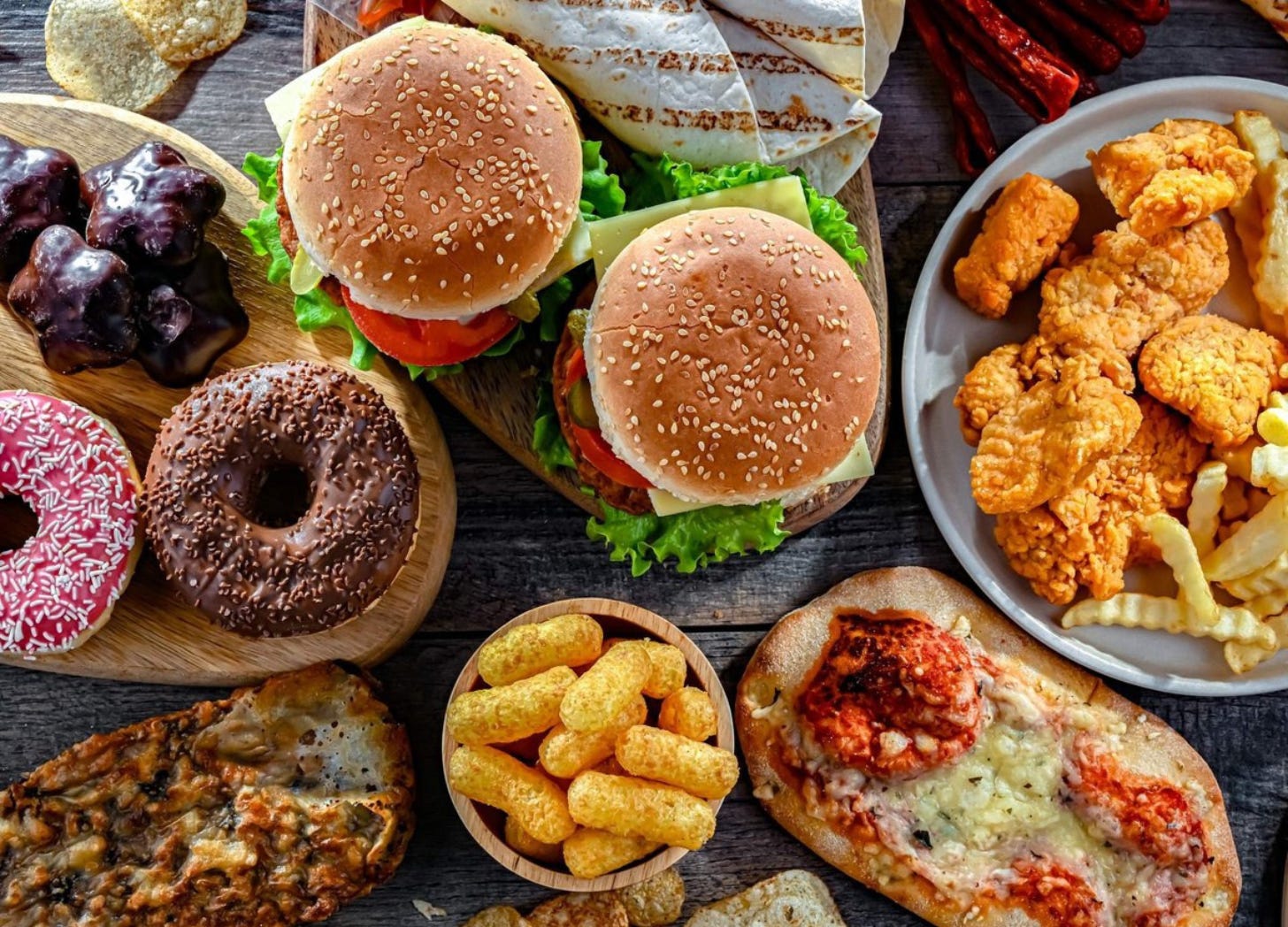
Instead, they give us rating systems. For example, the Tuft’s Food Compass, which originally rated Lucky Charms as healthier than steak. That kind of “nutrition science” isn’t science at all. It’s policy by corporate influence, reinforced by captured agencies and well-funded university departments. Food corporations don’t want us to have a clear, actionable definition, because if we knew what to avoid, we just might avoid it.
That’s why defining processed food is a major priority for MAHA — and for HHS Secretary Robert F. Kennedy Jr., who recognizes that without clarity, real change is impossible. Monied interests don’t want consumers to know when they’re buying products loaded with cheap, junk-food ingredients. My interest is making it clear.
A Simple, Clear Definition
A dentist named Weston Price gave us a running start at a definition nearly 100 years ago after he traveled the world to discover what healthy people ate — and what they avoided. What he discovered was profound; where people followed traditional sustainable practices, they thrived. But where they abandoned these practices and started eating what he called “foods of modern commerce,” cavities eroded their teeth. The decay extended to every tissue in their bodies and opened them up to all manner of infection, deformity, and suffering. Price identified flours, sugars, and canned goods as the most problematic factors. And my work over the past 20 years has clarified the definition further.
In my 2024 book Dark Calories, I defined processed food as food that derives a significant portion of its calories from refined ingredients that no longer resemble anything found in nature. The main categories are:
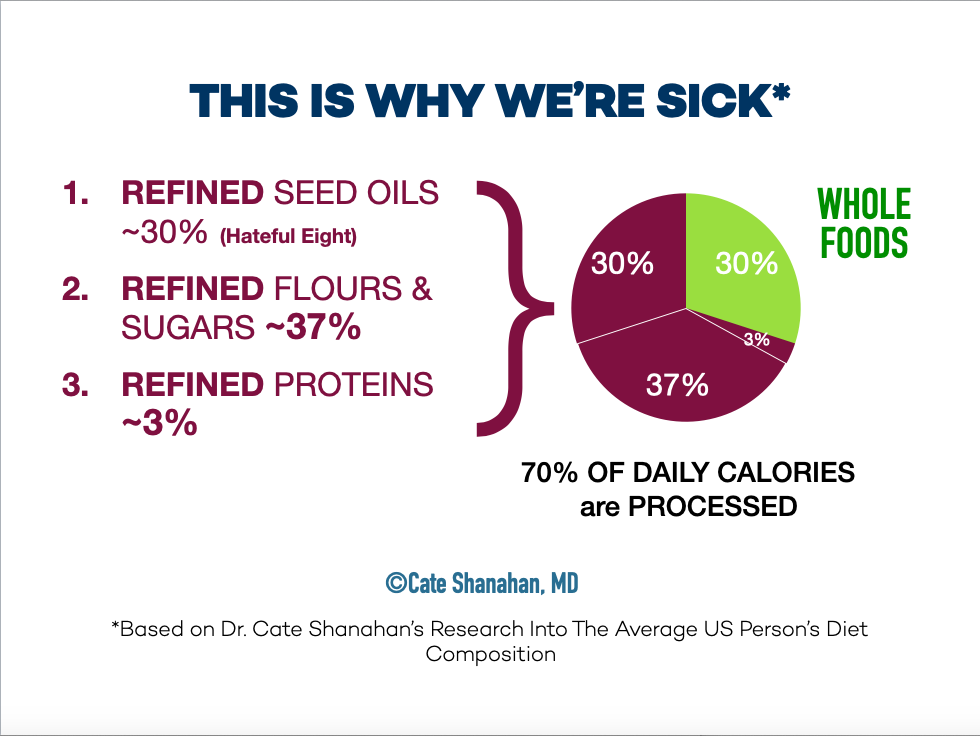
1. Refined fats – seed oils like the Hateful Eight. These lack antioxidants, minerals, most vitamins, brain-building phospholipids, lecithin, choline, and pretty much everything except for calorie-rich triglyceride fatty acids.
2. Refined carbs – sugars and flours. These likewise lack most nutrients and represent empty calories.
3. Isolated proteins – powders, concentrates, and hydrolysates. These are basically empty-calorie amino acids.
These “refined macros” are industrial products, not whole foods. They are cheap to produce, easy to store, and highly profitable — which is why they dominate our diets today. This definition also offers MAHA and policymakers a practical framework to measure progress and hold industry accountable.
The Illusion of Choice
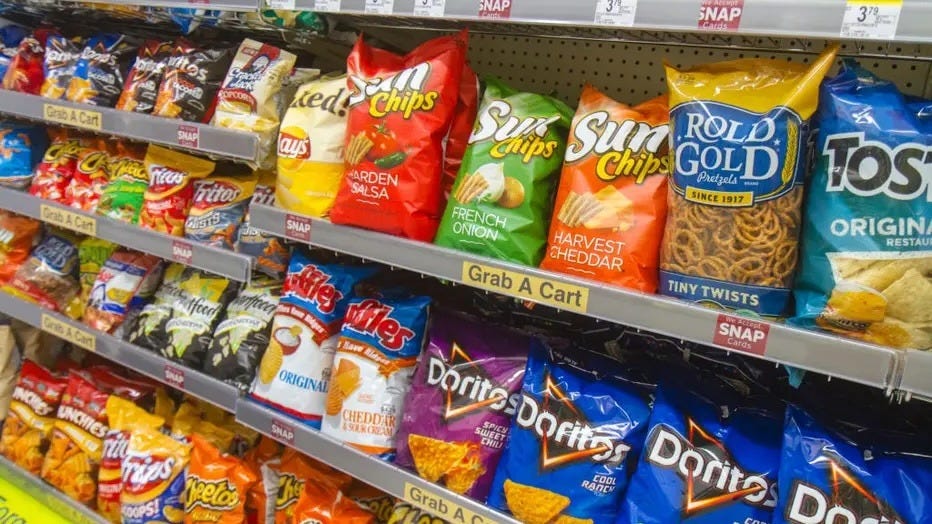
To the casual observer, supermarkets appear to offer us thousands of “choices.” But look closer and you’ll find the same three refined ingredients repeating over and over.
Processed food companies use them like building blocks to fashion our favorite snacks and cereals, everything from Cheerios to Cheez-Its. They’re the bulk of calories in junk foods. But they’re also main ingredients in foods intended to sustain life, like infant, toddler, and elder-care formulas, and meal replacements. Most ready-to-eat meals are also diluted with these filler ingredients.
We think we have options. But the fake colorings, artificial flavors, and textural variety create the illusion of choice where none exists. By the way, we feed our beloved pets the same stuff. Scan the labels on kibble and canned foods, and you’ll see seed oils, starchy fillers, and hydrolyzed proteins or isolates there, too.
Death By Refined Macros
It’s not really debatable that we can improve our health by avoiding these foods. What’s hotly debated is what makes them bad.
So far, blame has been laid on saturated fat, salt, cholesterol, or synthetic additives. But we’ve overlooked this fact: seventy percent of the average American’s calories now come from the three refined macros, leaving only 30 percent for real food.
My research, published in Frontiers in Nutrition this April, shows this diet drives oxidative stress — a state of chemical chaos where cells lose control of energy. Search any disease alongside “oxidative stress,” and you’ll see a link. I’ve dedicated my career to helping my patients and fellow physicians understand this connection because it’s the most powerful lever we have to bring about real healing. After years of abusing our bodies with the big three refined macros, when real food quells the oxidative stress, our bodies respond in miraculous ways.
The Road to Reform
If this were just about personal choice, we could fix it by shopping differently. But it’s not about individuals — it’s about a system. RFK Jr. and MAHA are fighting to reform that system from the ground up, creating policies that favor human life over shelf life.
The first step is the simplest: tell the truth about what processed food really is. Only then will real change become possible.
Making America healthy again will require rebuilding the chain of nourishment — from soil to cell — and it starts with defining processed food in these clear, simple, scientifically valid terms.