NYT Democrat pollsters make some excellent points about this week’s election and those coming up next year.
NYT Democrat pollsters make some excellent points about this week’s election and those coming up next year.
Will Trump’s team pay heed? Do they want to win or do they have other considerations that are more important than winning? Voters clearly feel they have been stiffed. The Deep State carries on.

https://www.nytimes.com/2025/11/07/opinion/elections-2025-trump-democrats.html
Kristen Soltis Anderson: Tuesday’s results are a reminder that nothing is forever in politics. Pronouncements that coalitions have changed and one party has captured the hearts of a demographic group are always susceptible to events. Groups like young voters, or Latino voters, did not become forever Republicans after the 2024 elections. In short: Parties have to deliver or voters will look to the alternative…
Nate Silver: What stands out is that this really was a clean sweep. To steal the headline I used at my own newsletter, it was a 10 out of 10 night for Democrats. They won basically everywhere they wanted to win, and they won big.
Democrats not only won everywhere — they also beat their polls, especially in New Jersey. So it’s at least possible that polls of a broad cross section of voters — right now, most of the polling you see of 2026 or Trump’s approval is conducted among registered voters or all adults, not likely voters — actually underestimate how much of a drag Trump is on Republicans…
Kristen Soltis Anderson: Trump is great at turning out voters. The problem is that he’s great at turning out Democrats even when he’s not on the ballot, while his coalition includes a lot of “low propensity” voters who couldn’t be bothered to turn out for an off-off-year election…
Nate Silver: Trump is now approaching first-term levels of unpopularity. He’s at a minus-13 in our tracking, and there’s been a recent downturn.
Anderson: Republicans have time to turn this around. If Trump is able to deliver on his economic promises of lower cost of living and a booming economy come November 2026, things won’t necessarily look as grim. You’ve got senior-level White House officials like James Blair publicly acknowledging that ceding “affordability” to Democrats is creating political problems for Republicans. The reality, though, is you can’t message your way out of an affordability crisis, as the Biden and then Harris campaigns found out spectacularly.
This is also really giving me a lot of flashbacks to 2009. Republicans were in the wilderness post-George W. Bush and were a leaderless crew. Suddenly, they pull off big wins in the Virginia and New Jersey governors’ races (“Bob’s for Jobs” and Chris Christie!) and there’s new life. They wind up absolutely crushing the 2010 midterms…
The Dems are not anticipated to win the Senate next year, but could win the House:
Silver: On paper, the “easy” wins for Democrats in the Senate next year are supposed to be North Carolina and Maine. North Carolina voted for Trump by just over three points last year in what was a fairly poor electoral climate for Democrats. So if the electorate is as blue as you’d expect in a typical midterm with such an unpopular president — or as blue as it was this week — you’d expect Democrats to be favored there, especially with a strong candidate in Roy Cooper. Maine is a whole different can of worms, and the resignation of so many of Graham Platner’s staff members is a little ominous should Maine voters go that route.
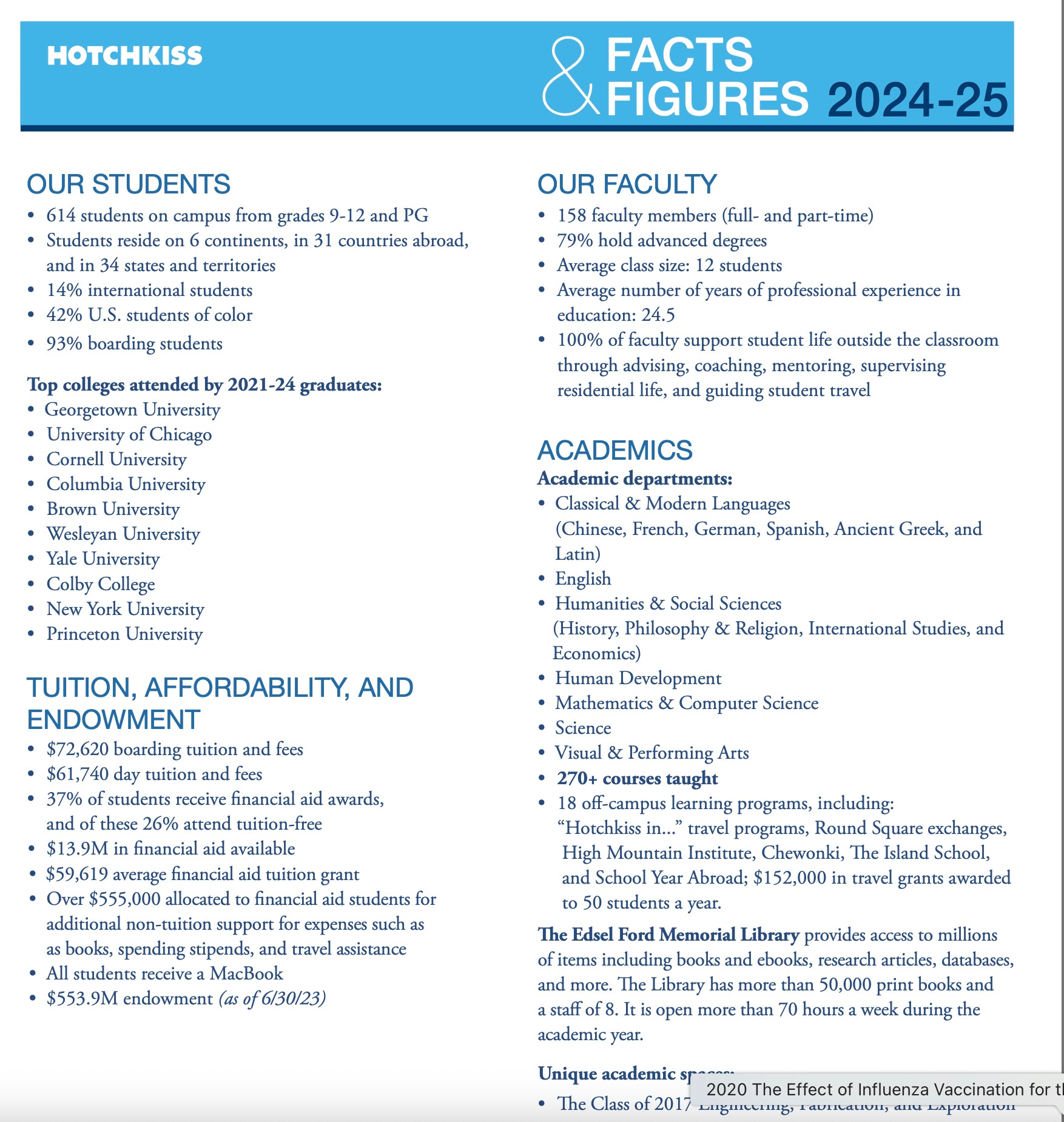
Platner is a phoney baloney, spoiled, troubled rich kid who is playing at being a working class oyster farmer. He knows nothing and his speeches are insipid. If the public learns about his Nazi tattoo and his $72,000 (at today’s prices) year at Hotchkiss prep school, he will be done. Right now they are ignorant because media like the NYT hide the real dirt from their readers. Maine’s widely disliked governor plans to run for the Senate too, challenging Platner.

Bruni: That’s the Senate. What about the currents Democrats are swimming against to retake the House? Are those prohibitively strong? I’m referring to the aggressive gerrymanders that have happened or will happen before November 2026. Yes, California is poised to add Democratic seats, but it looks like Republicans will fare much better than Democrats in all this redistricting. Could those structural dynamics — those cheats, if you ask me — render much of the public mood and any real verdict on Republican governance irrelevant?
Anderson: The new districts being drawn everywhere may give Republicans a net boost, in part because there’s not much more you can squeeze out of already horribly gerrymandered Democratic states like Illinois or Maryland. But remember that some of these new districts in places like Texas are being drawn around the idea that Republicans have newfound life and strength with Latino voters in places where they used to run more poorly. Some of the results from Tuesday raise the question of whether that’s durable in a midterm without Trump running against a weak Democrat during a period of high inflation. Again — nothing is forever.
The youth vote will be critical and the Trump team needs to get serious about helping them get jobs and afford houses.
Anderson: In these off-year races, younger voters are a smaller part of the conversation, but it is worth noting that the generation gap appears to have returned in a big way in all the major contests from this week. Spanberger won 70 percent of voters under age 30 who turned out in Virginia. Sherrill won 69 percent. Mamdani blew the doors off with 78 percent among this age group. In California, 80 percent of those under age 30 voted for Prop 50. Republicans have rightly been quite excited about their improved performance with young voters in the 2024 election, but the durability of those gains is definitely in question.