Is the administration making war on poor people (who vote D), rooting out fraud or both?
Is the administration making war on poor people (who vote D), rooting out fraud or both?
Lot happening in this arena right now.

-
I’m starting with Brooke Rollins’ statement about some food stamp recipients driving luxury cars. This is red meat to the base. It even surprised me.
She said this was in one Red state. The state must be TX or FL. Still, who drives those cars? Presumably car registrations were cross-referenced against the food stamp (SNAP) database. 4.3 million beneficiaries have left SNAP (or been forcibly ejected) in the last year. Are they people who really needed it or scammers?
 Secretary Brooke Rollins@SecRollinsIn just ONE state, 14,000 individuals receiving SNAP benefits were driving LUXURY VEHICLES!
🚗 3 Bentleys
🚗 3 Ferraris
🚗 11 Lamborghinis
🚗 59 Maseratis
🚗 141 Porsches
🚗 244 Alfa Romeos
🚗 306 Land Rovers
🚗 2,098 TeslasAnd this is just in ONE STATE. We need to
2:20 PM · Apr 28, 2026 · 2.75M Views5.77K Replies · 31.8K Reposts · 82.6K Likes -
Many states (but still a minority) are removing candy and soda from the items that can be purchased with food stamps. While reasonable arguments have been made that people should be able to buy whatever they want, they still can—with their own money. I don’t see why taxpayers should pay for”foods” that lack all nutritional value and lead to illness and an earlier demise. (Diabetes prematurely ages our arteries and innards.)
-
Nebraska is the first state to impose work requirements on some adult Medicaid recipients. On its face, this seems reasonable: a requirement that Medicaid beneficiaries either work, attend school or perform community service for 80 hours per month. Obviously, the purpose is to weed out those who work under the table so their income does not show up on official registries, and they have been able to thereby obtain free healthcare.
In recent years, in states where I have worked, it has become quite difficult to get Medicaid unless you are already deemed disabled by the federal disability system. One wonders how difficult it is in all states. Which able-bodied adults will be affected?

On May 1, Nebraska becomes the first state to launch Medicaid work requirements under HR 1, setting the stage as other states prepare to follow suit by 2027.
The community engagement requirements will apply to adults — with some exceptions — in states’ expanded Medicaid programs. Enrollees must work, engage in community service or attend school — or some combination of these — for at least 80 hours per month. This includes half-time students and seasonal workers whose average monthly income over the preceding six months matched the federal minimum wage.
In December, Nebraska Public Media reported that more than 70,000 Nebraskans were supposed to be notified of the work requirements. Of those, roughly 30,000 will need to take steps to comply, Nebraska Republican Gov. Jim Pillen said….
Last June, a news release from California Democratic Gov. Gavin Newsom estimated the HR 1’s work requirements would lead to an estimated loss of up to a $22.3 billion in federal funding, as well as a decrease of 3 million California enrollees.
Now let me quote from my April 2025 investigation of the federal nutrition programs:
What does food aid cost the United States?
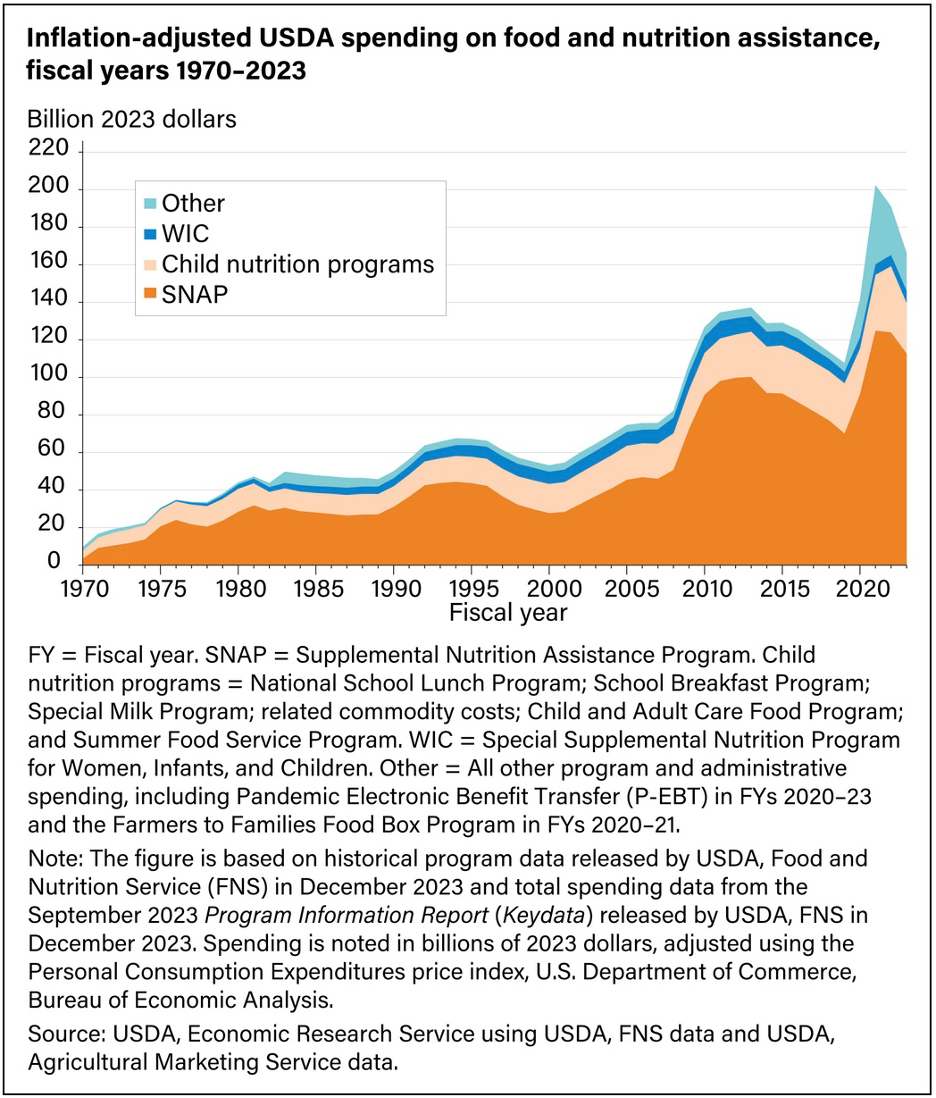
Very few people know that USDA spent over $200 Billion dollars in 2021 (during the pandemic) on food and nutrition assistance for Americans. After the pandemic ended, it spent $166.4 Billion in 2023 on a variety of programs.The 2023 level of spending is equivalent to $500 collected from every single American for just one year. Taxes (or borrowing) must cover this cost.
Here is what I found to be totally amazing: the USG has no idea how many people need food benefits. So how is the determinatin made that 13.5% of the US population is food-insecure?
18 million American households were designated as food insecure for some (any) period during 2023, or 13.5%. This number is extrapolated from self-reporting to US census-takers, who collected detailed information on diet from about 30,000 US households.[1]
[1] https://ers.usda.gov/sites/default/files/_laserfiche/publications/109896/ERR-337.pdf?v=84831
Census takers asked 30,000 US households about what they ate and whether they had enough, and from this self-reported sample, extrapolated that 60 million Americans needed food benefits, on the order of $160 billion dollars a year. I do not know what, if any, measures were taken to demonstrate that the sample was valid, that the answers were accurate, and whether the people receiving benefits are the ones who actually need them.
However, according to USDA’s Economic Research Service,[1]
“About 58 percent of food-insecure households participated in one or more of the three largest Federal nutrition assistance programs from the U.S. Department of Agriculture’s Supplemental Nutrition Assistance Program (SNAP); the Special Supplemental Nutrition Program for Women, Infants, and Children (WIC); and the National School Lunch Program during the month before the 2023 survey.”
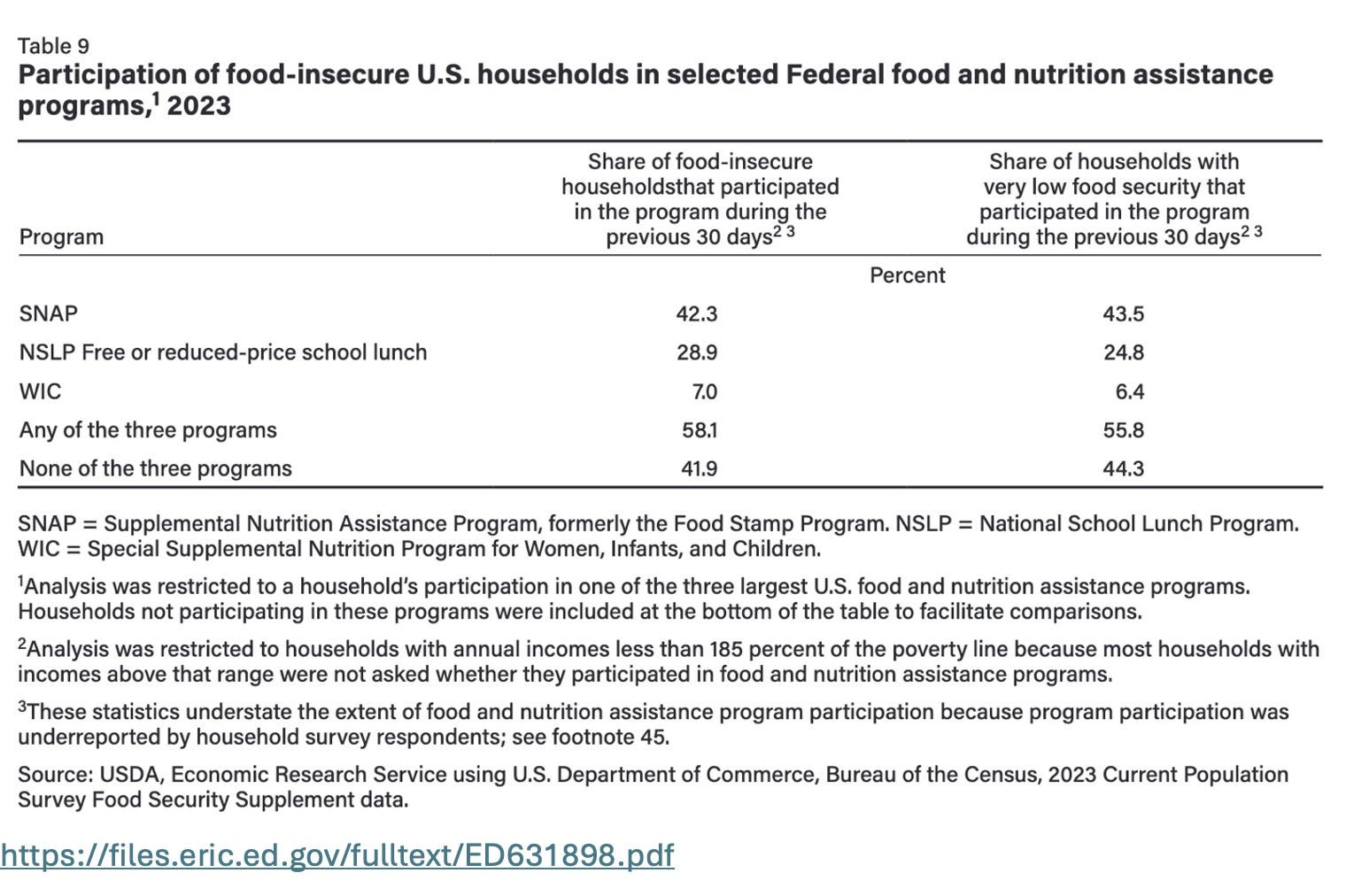
https://files.eric.ed.gov/fulltext/ED631898.pdf
If these numbers are correct, why did 42% of the food-insecure households receive no food benefits from the USDA’s 3 largest programs? Do problems of access need to be addressed?[2] Are millions of households that are not thought to be food-insecure receiving the benefits? How close is the match between needy families and beneficiaries? Can we do better?
[1] ibid
[2] https://pmc.ncbi.nlm.nih.gov/articles/PMC10733882/
If the federal numbers are accurate, and 42% of the food-insecure households are not enrolled in any of the USDA’s 3 main programs, then who are the tens of millions of residents receiving the benefits intended for them? I favor a means test to determine who really needs the benefits and trying to get them to those who do.
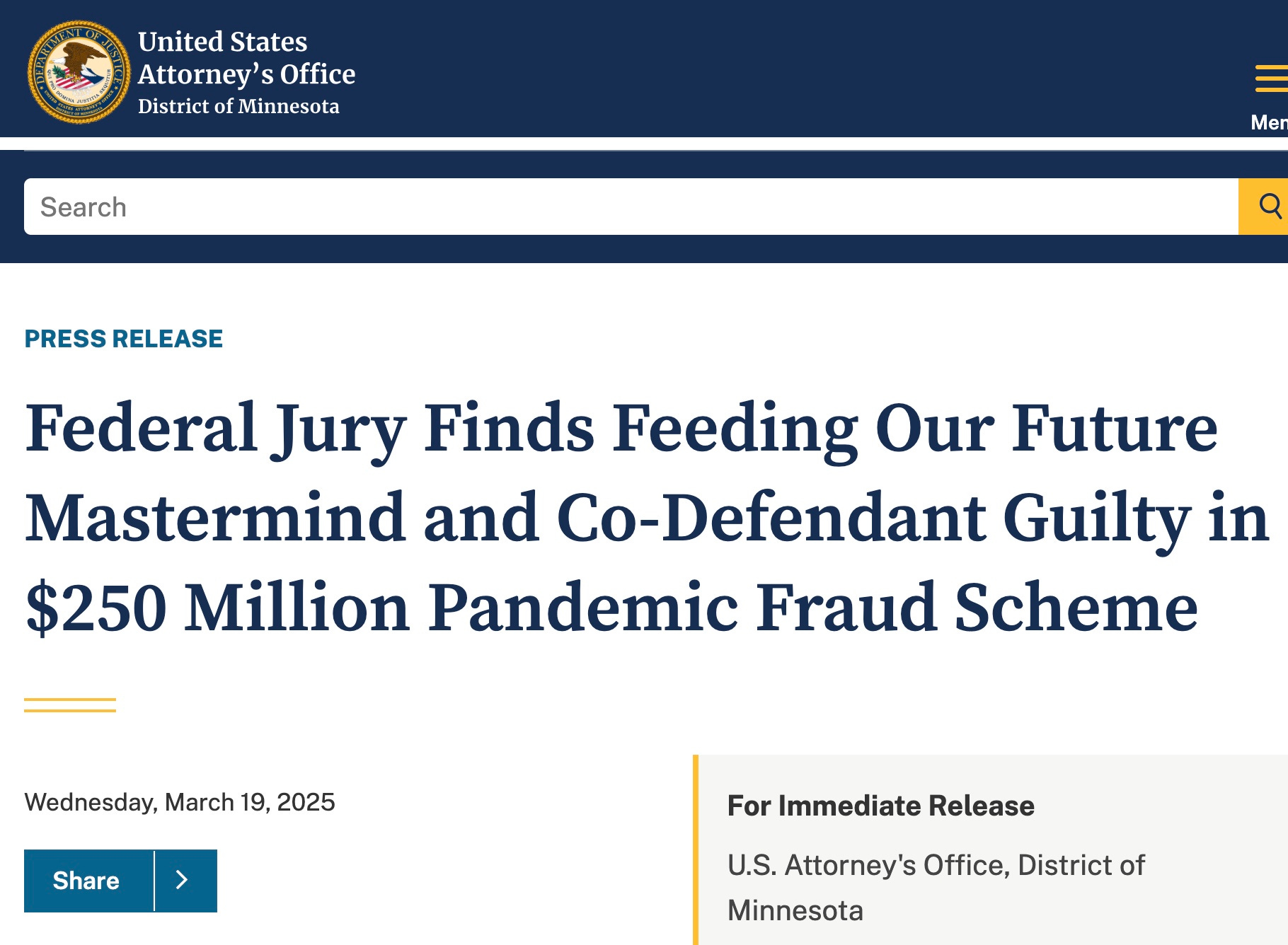
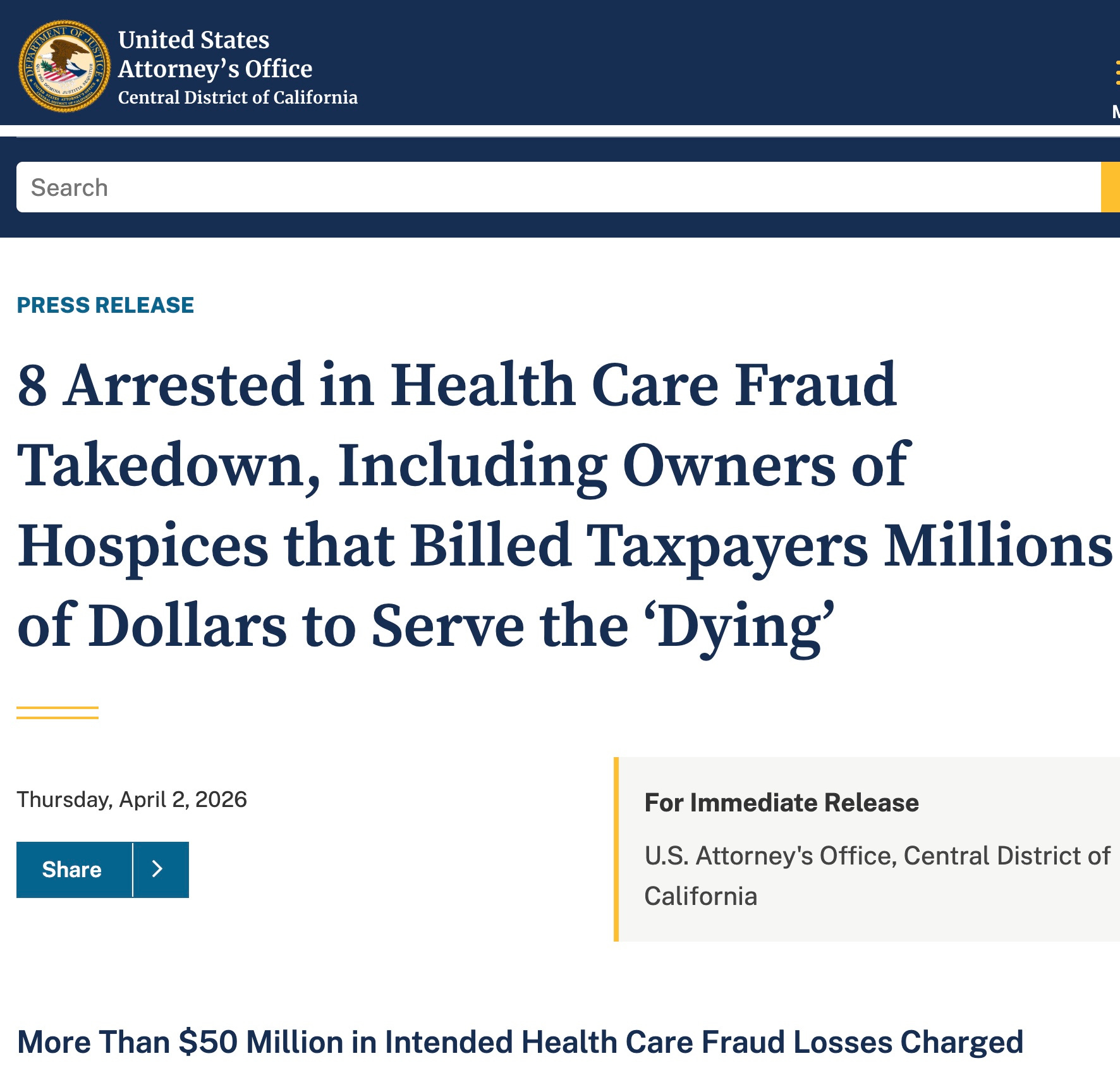
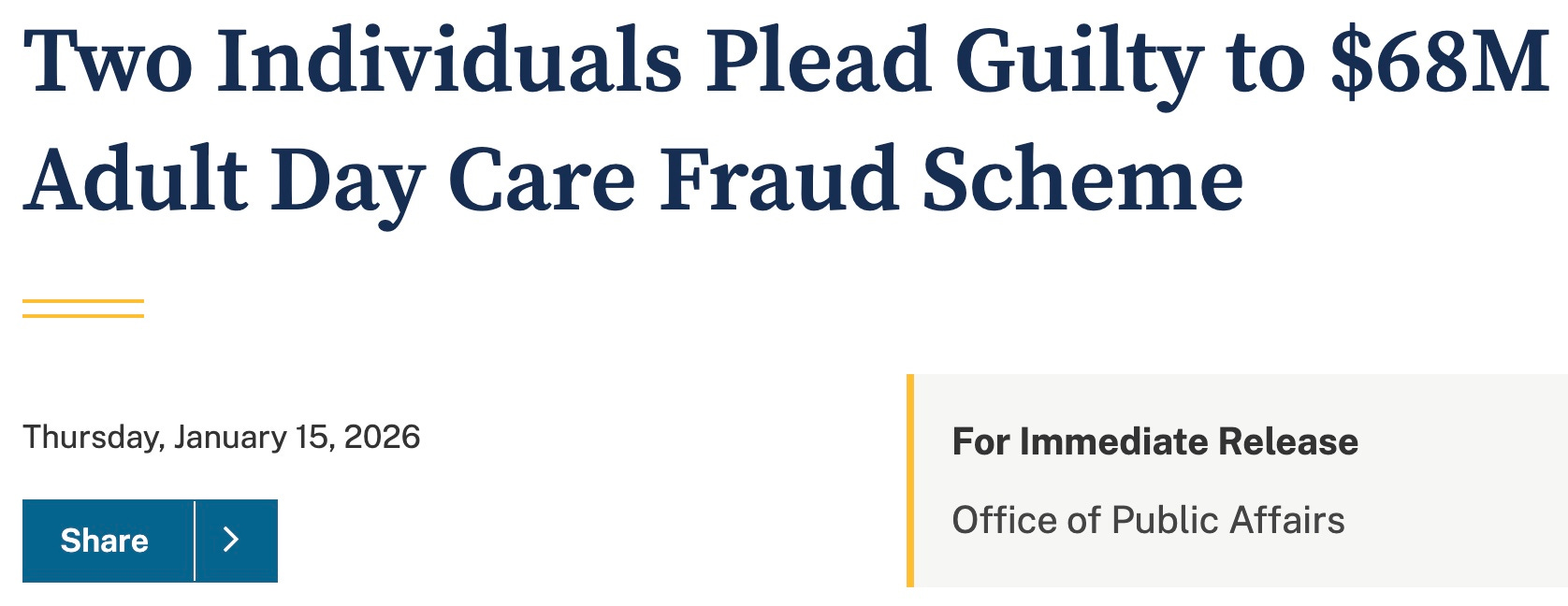
And I wonder how many other federal programs are being scammed, now that widespread scandals about nonexistent day care centers, feeding programs and elder care and hospice have come into the light.
Will our political system actually clean up the messes, or just use this issue to score partisan points, leaving the system open to future abuse, so long as it helps one arm of the uniparty or the other?