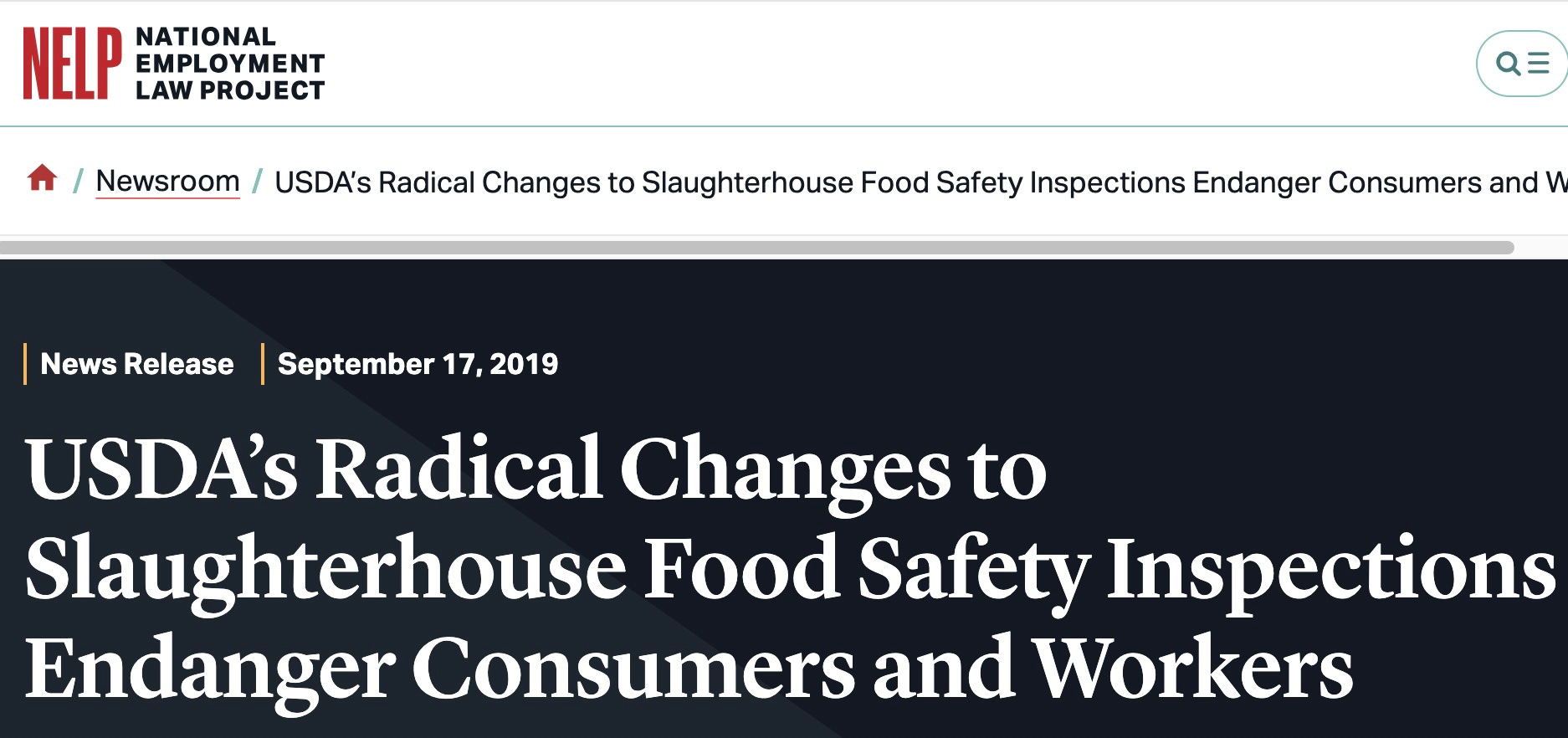
So you thought USDA inspections were a guarantee of wholesome meat? Let’s look at the facts. This is important wherever you live.
So you thought USDA inspections were a guarantee of wholesome meat? Let’s look at the facts. This is important wherever you live.
It’s time to zero in on those inspections and see how performative they have become. And every state needs to push back once they understand we are in a crisis and need to revise a terrible policy.

First let’s look at how pigs are processed.
New USDA rules allow companies to speed up their hog processing lines as fast as they want. USDA inspectors are themselves working on the lines, so their seconds with each animal are likewise reduced. Funny that the title below refers to “maximum line speed” when USDA is changing the rules to eliminate the maximum limit.
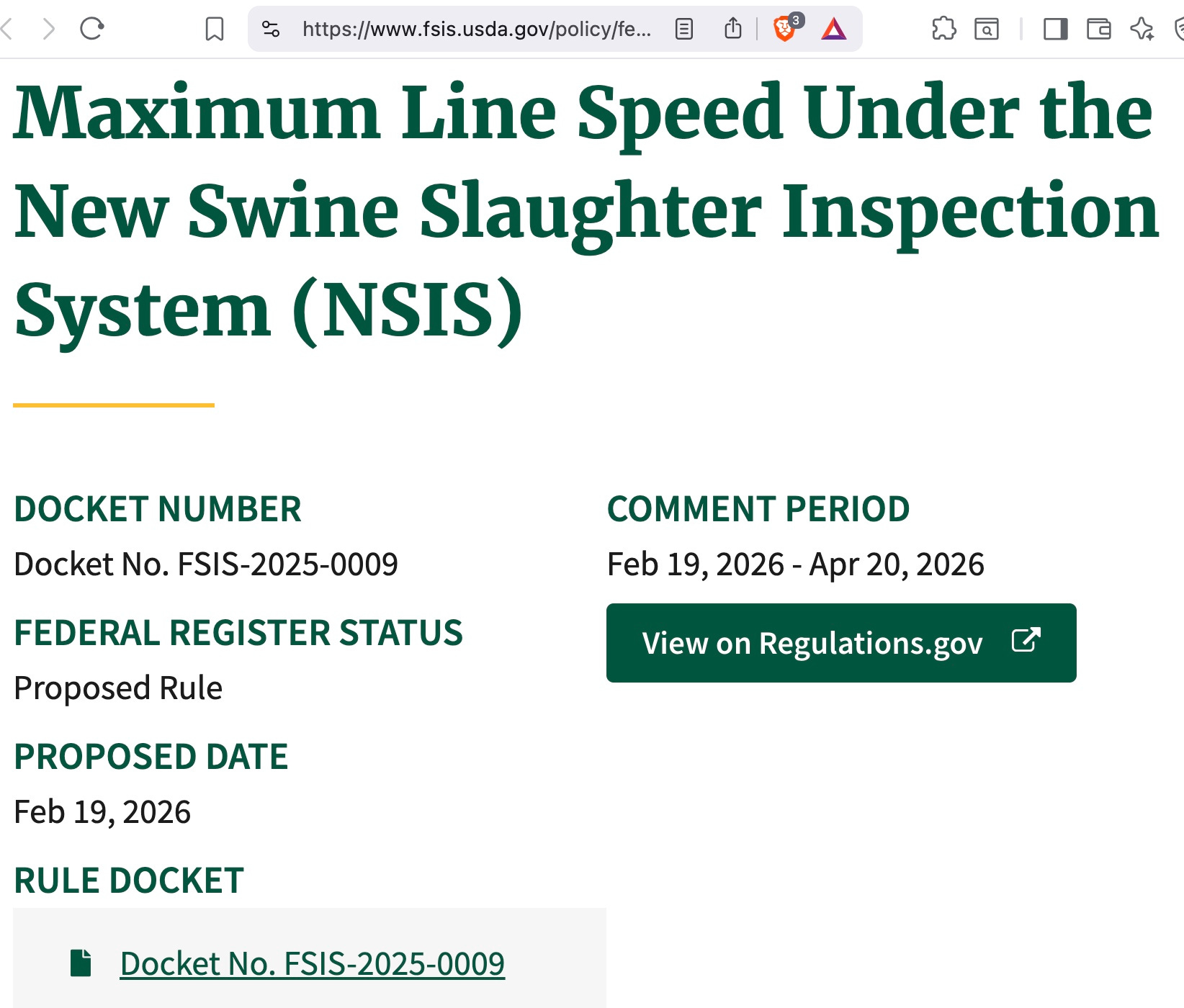
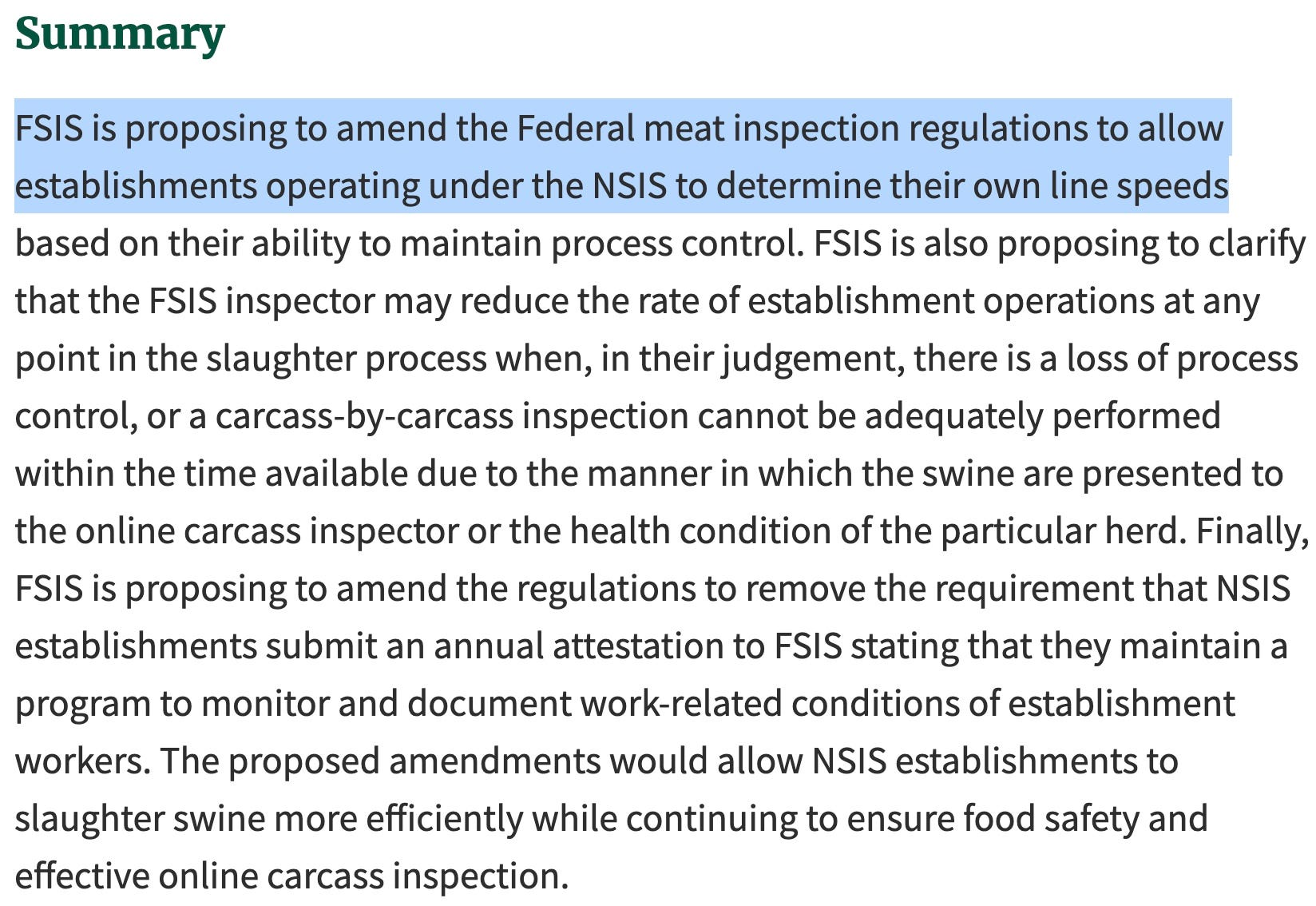
No longer will companies have to maintain a program to monitor worker safety conditions.
And USDA inspectors have been replaced by plant employees performing initial inspections of animals.
Food and Water Watch analyzed data obtained by FOIA which revealed that under the new rules, requests for USDA veterinarians to check animals have been reduced by a factor of 3.5—meaning that USDA veterinarians are now examining less than 30% of the animals they reviewed under the old rules.
Poultry lines were also speeded up.
But apparently due to the size of cows and the equipment used to process them, the lines for beef are already at maximum speed.
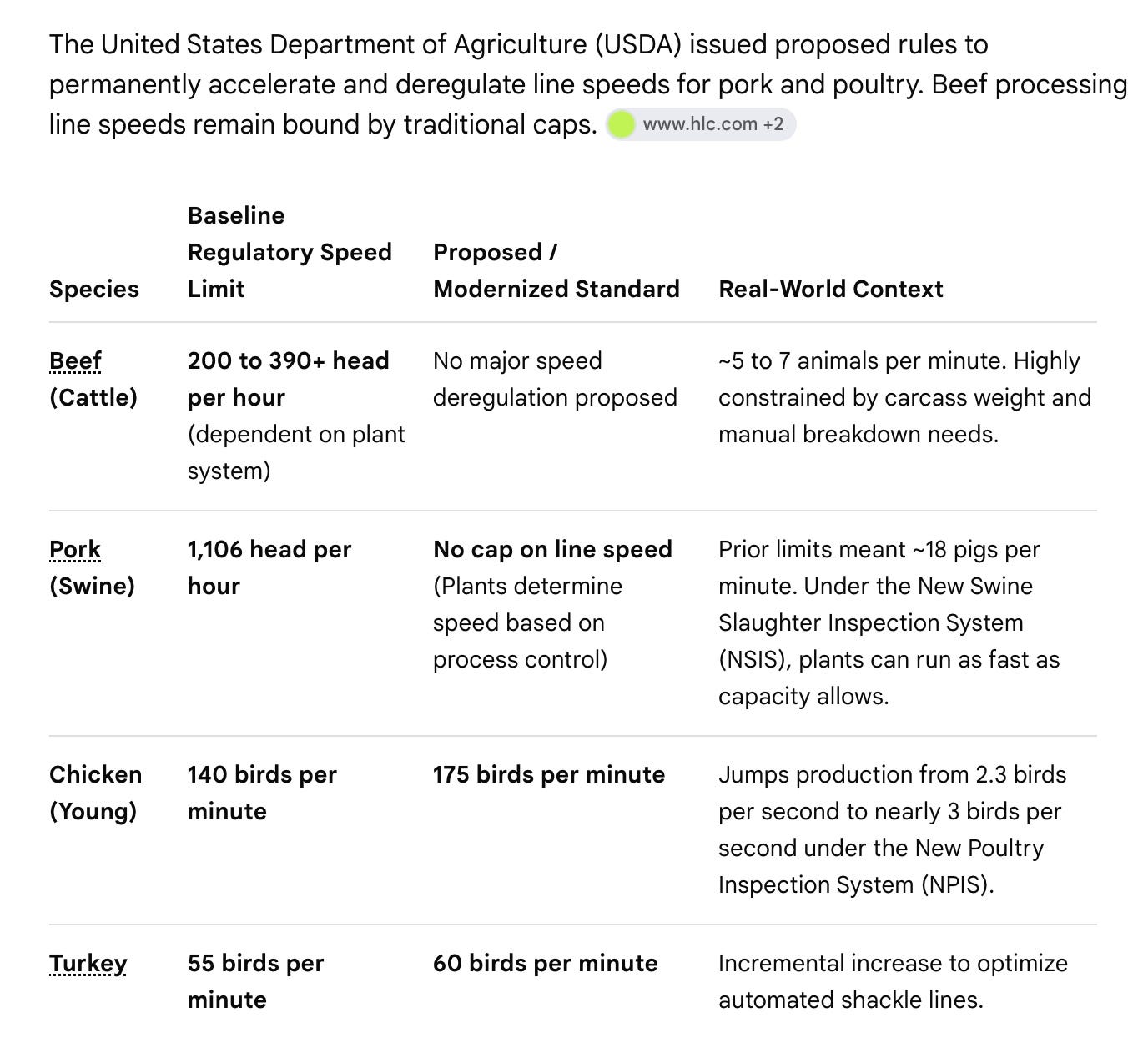
I asked AI for more details on these issues. The most significant issue is that initial inspections have been delegated to the meat processor rather than to USDA inspectors under what is termed Modernized Inspection Systems.
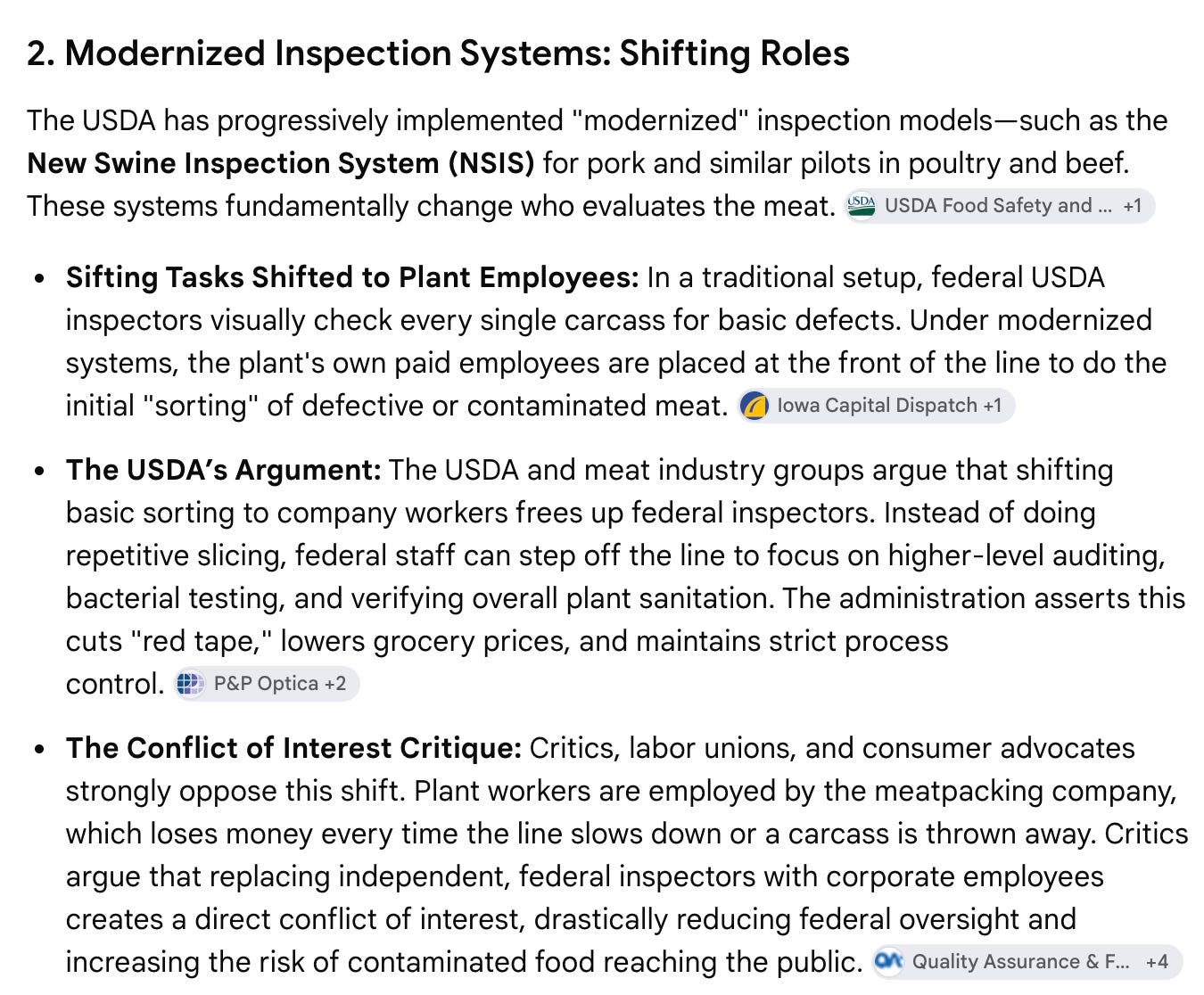
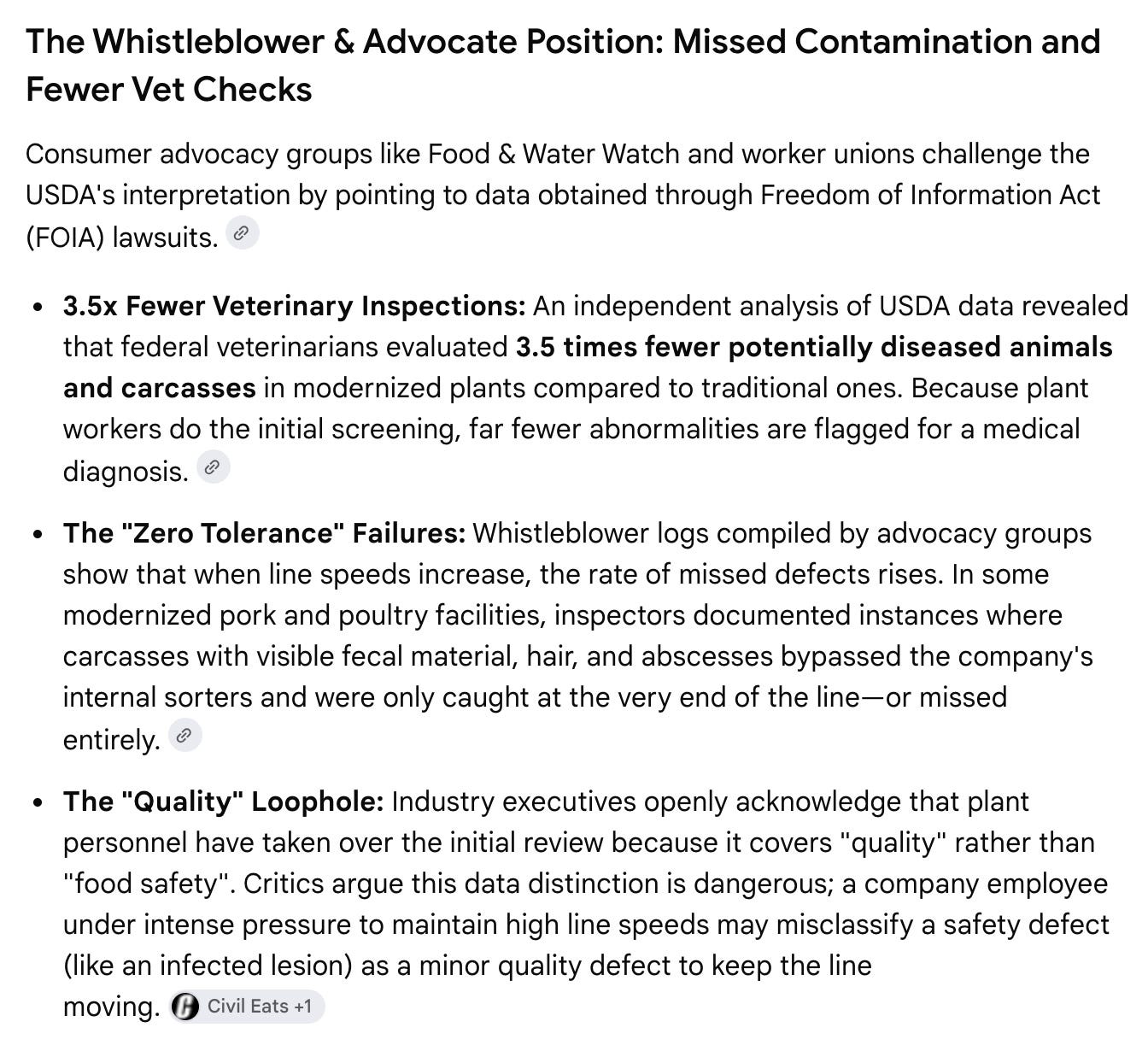
Therefore, USDA inspections, when inspectors have only a few seconds to assess an animal, may be more performative than investigative. The one issue that meat processors must comply with is that there be a USDA inspector on-site whenever meat is being processed. But the job that meat inspectors were supposed to perform is impossible given the processing speed, and the attrition of inspectors. So what is the actual impact of the inspections?
Is this why complaints of foodborne illnesses to USDA rose 40% in 2025 compared with 2024?
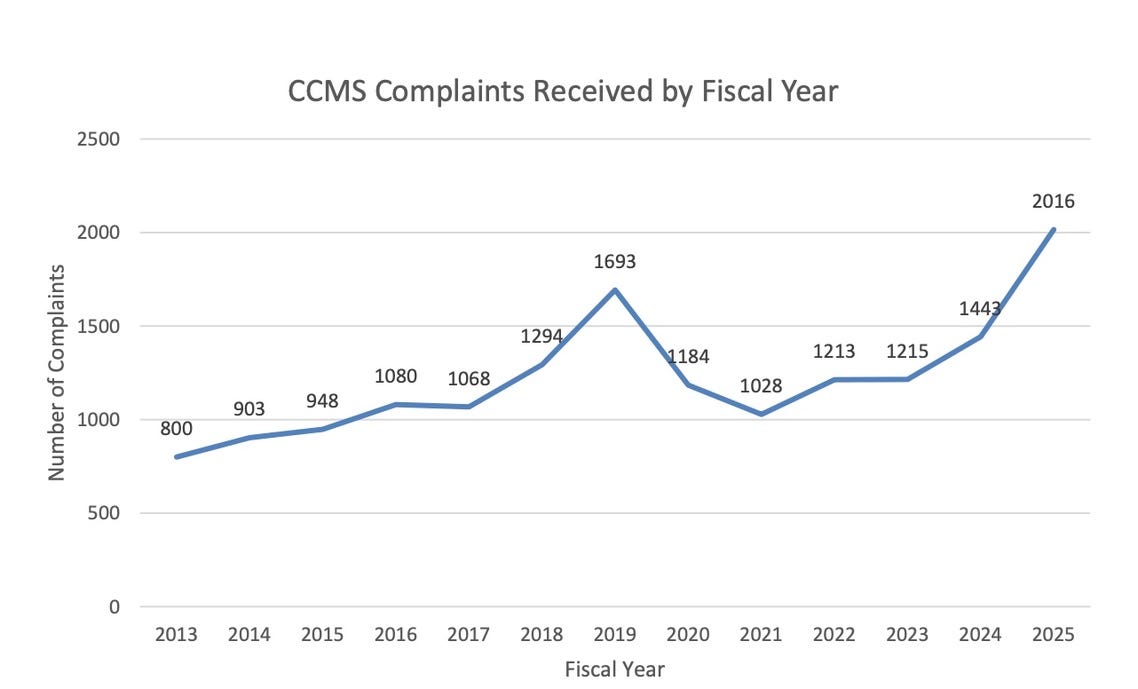
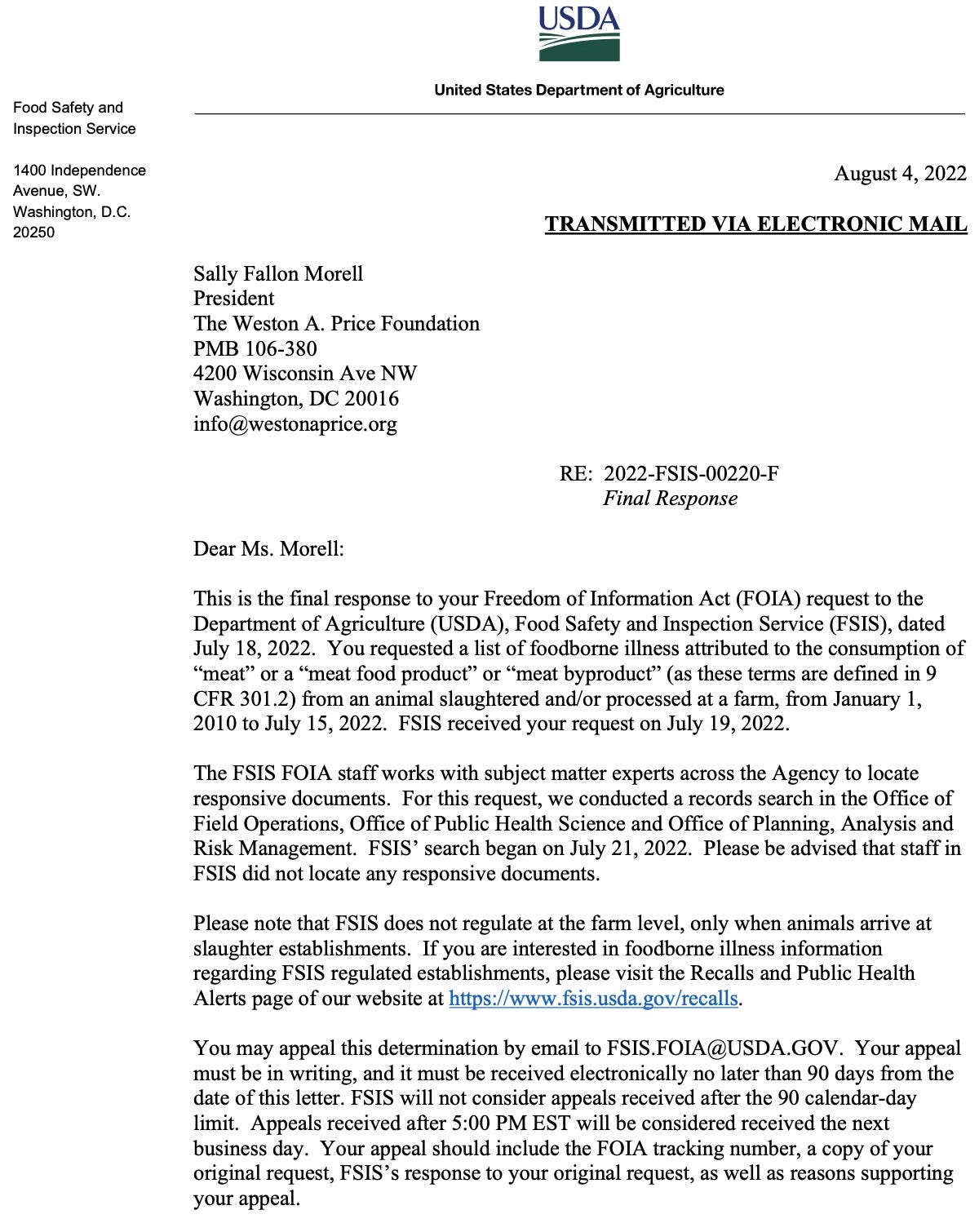
Yet when Weston Price sent a FOIA to USDA asking for the number of complaints it had received of foodborne illnesses due to meat slaughtered on the farm between 2010 and 2022, the answer was exactly ZERO. “No responsive documents” is bureaucratize for saying we received no complaints and we hate to admit it.
PLEASE contact your legislators if you live in New Hampshire and tell them how critical it is to overturn the Governor’s veto of HB396. Here is where you find your representatives and their contact info:
https://gc.nh.gov/house/members/
If you live elsewhere, tell your reps you need a bill like this in your state. Other states are very interested in doing something similar. 2 states have passed bills saying they will do something like this also, if a court grants them the right. Maybe New Hampshire needs to be the first test case. But the USDA, if it sees how popular this effort is, could provide an exemption for on-farm slaughter and processing of limited amounts of meat for small producers.
Help us start to turn a very bad system around and make it better for everyone (except the meat monopolies).